
Giving Back and Taking Waves: Does Surf Voluntourism Really Work?
In 2018, SURFER Magazine explored a question many traveling surfers quietly ask themselves: can you chase waves and still do meaningful good in the places you visit?
In the feature “Giving Back and Taking Waves,” writer Ashtyn Douglas-Rosa joined Changing Tides (CTF) in the Dominican Republic to examine whether surf-centric volunteer work can create real, lasting impact—or whether it risks falling into the common pitfalls associated with voluntourism.
Surf Trips With Purpose
Changing Tides was founded by women surfers in 2016 with a clear intention: to partner with existing community organizations in surf destinations and support the work already happening on the ground. Rather than arriving with predetermined solutions, CTF collaborates with local leaders, raises funds, and uses storytelling to extend awareness and support well beyond the duration of a single surf trip.
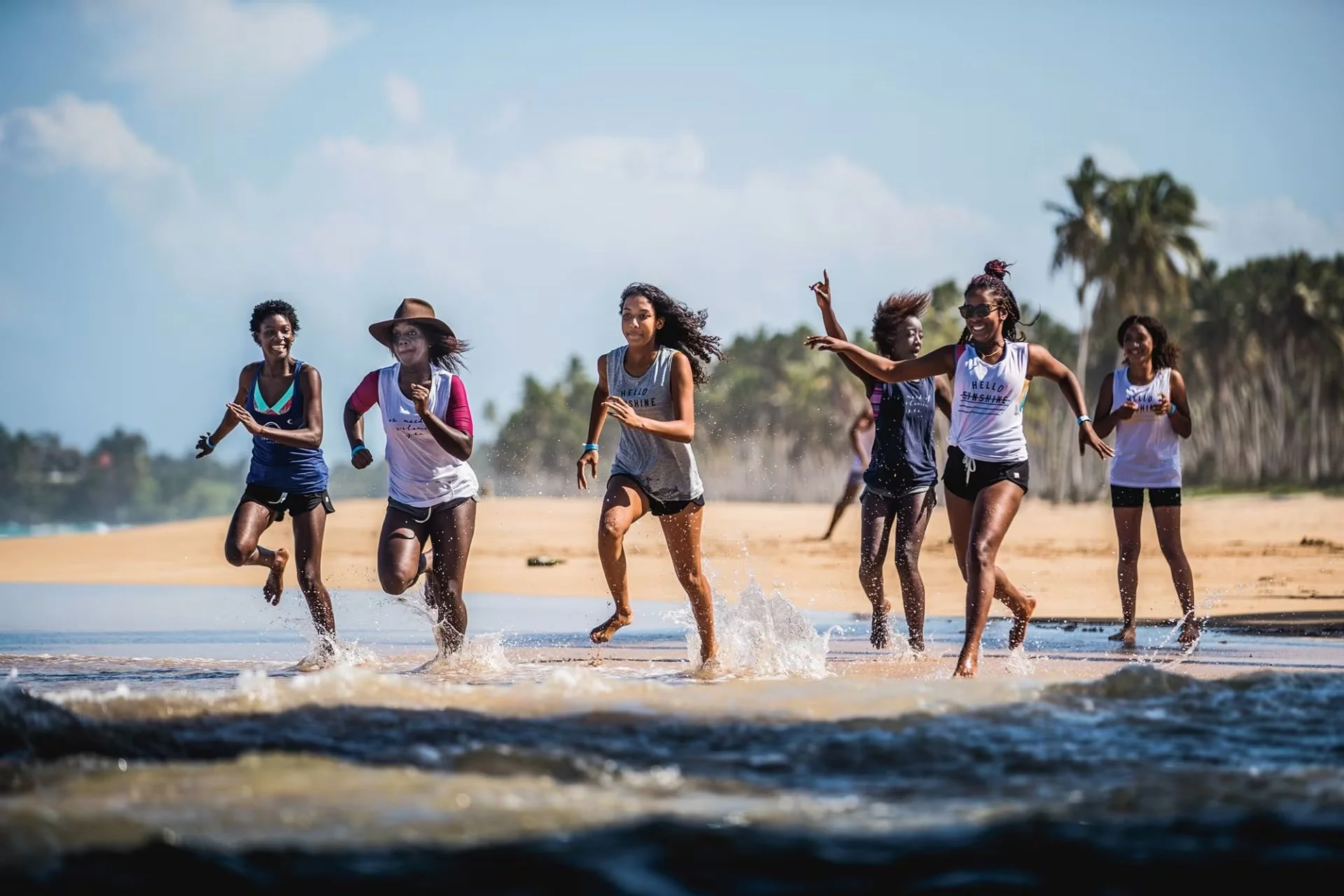
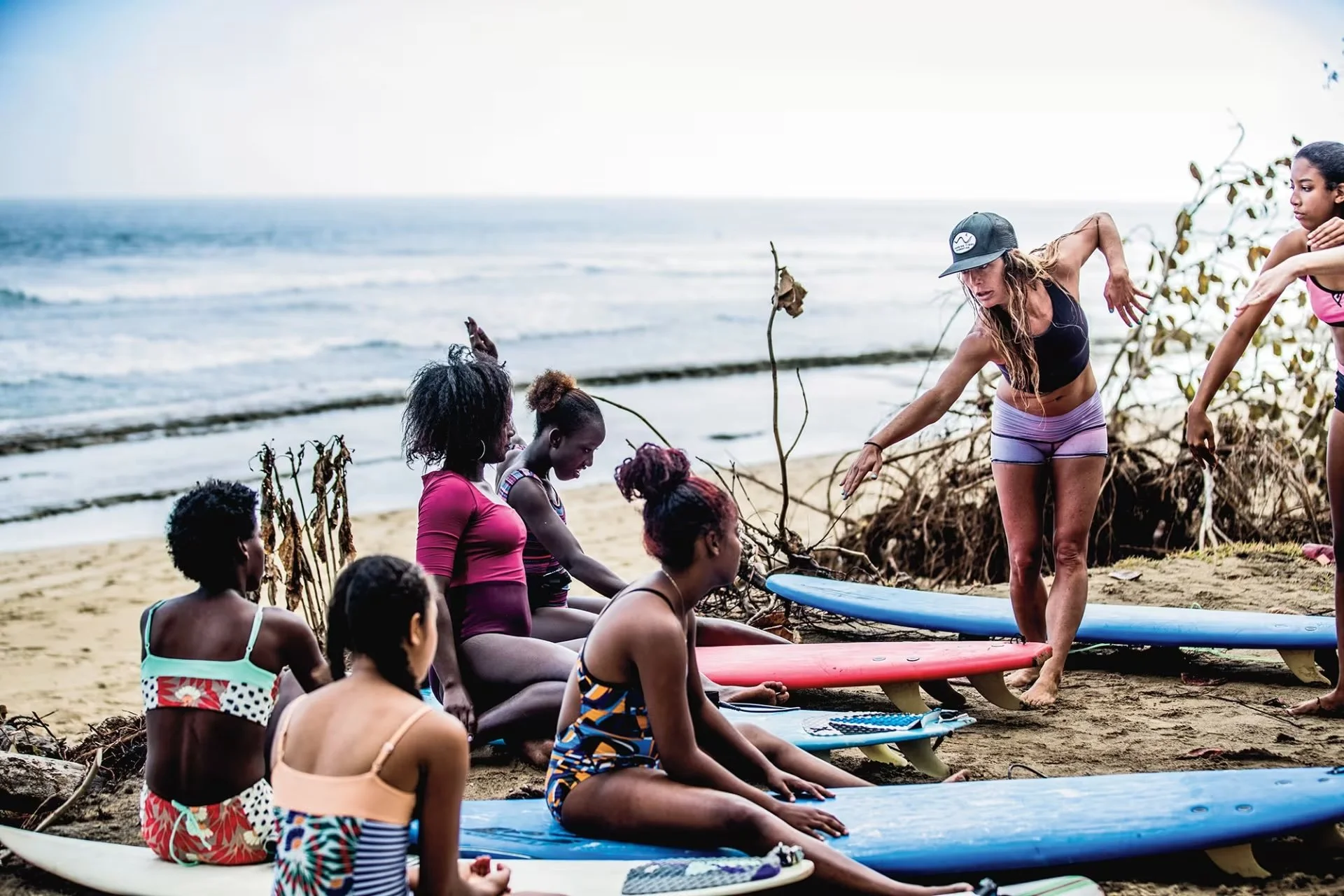
During their time in the Dominican Republic, CTF partnered with the Mariposa Foundation, a Cabarete-based organization dedicated to educating and empowering girls from underserved communities through academics, environmental stewardship, and surf and swim programs. The trip blended time in the ocean with hands-on service, including canal cleanups, environmental education, and surf mentorship alongside the girls in the program.
When Voluntourism Gets Complicated
The article also addresses the broader debate surrounding voluntourism. Critics have raised valid concerns that short-term volunteer trips can unintentionally do more harm than good, particularly when programs are driven by the volunteer’s experience rather than by community-identified needs.
Across the world, poorly structured volunteer efforts have sometimes displaced local labor, reinforced “white savior” narratives, introduced culturally inappropriate education, or created dependency rather than empowerment. These critiques are not unique to surf travel, but they are especially relevant in wave-rich regions that attract visitors from wealthier nations.
What Makes Surf Volunteering Effective
Through conversations with researchers, nonprofit leaders, and surfers working in sustainable tourism, the SURFER feature highlights what differentiates impact-driven surf volunteer programs from performative ones. Successful initiatives are grounded in local leadership, built on long-term partnerships, focused on collaboration rather than rescue, and rooted in cultural respect.
This philosophy closely reflects Changing Tides’ approach. As CTF co-founder Becky Mendoza shared in the article, the organization aims to be “the antithesis of voluntourism.” The focus is on amplifying grassroots organizations with deep local roots and encouraging surfers to travel with greater awareness and accountability.
Small Actions, Real Impact
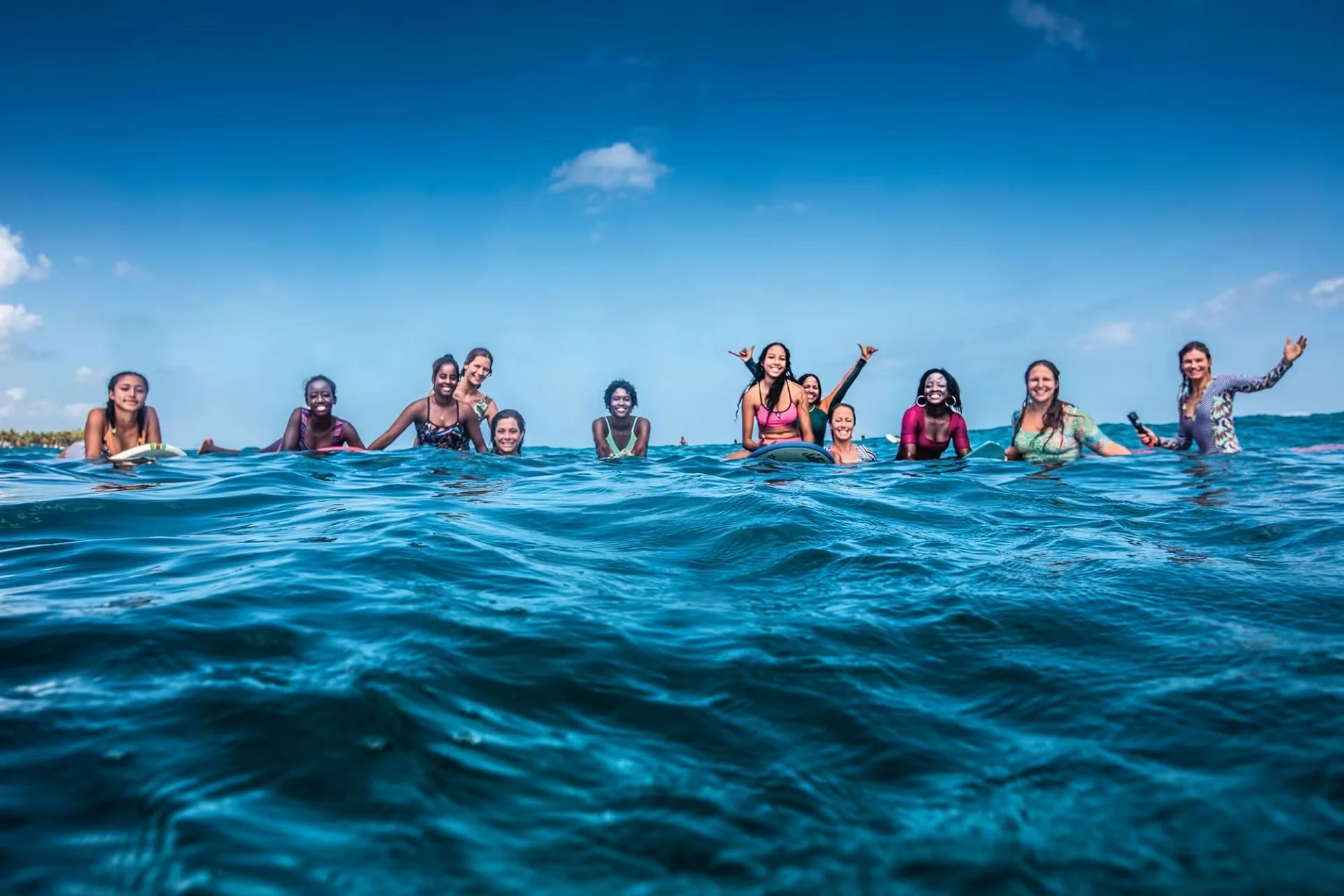
While a single week of volunteering is not a solution to systemic challenges such as poverty, limited educational access, or environmental degradation, the article makes a strong case for the power of incremental change. For the girls involved in the Mariposa program, time in the ocean builds confidence, resilience, and a sense of possibility.
Learning to surf becomes more than a recreational activity; it becomes a pathway to leadership, environmental awareness, and self-belief. One participant shared that watching the women of CTF surf larger waves helped her believe that she could one day do the same. That shift in mindset is meaningful.
Chasing Waves—and Doing Better
The SURFER feature ultimately arrives at a hopeful conclusion: surfing and service do not have to be competing priorities. When approached with intention, surfers are uniquely positioned to support coastal communities and ocean health simply by traveling more thoughtfully and listening first.
That philosophy continues to guide Changing Tides today. While the organization has partnered with grassroots groups internationally, its work has evolved to focus on empowering girls in San Diego, where the founders call home. By concentrating efforts locally, Changing Tides is able to build deeper relationships, offer consistent mentorship, and create long-term access to the ocean for girls who might otherwise never experience it in a supported, welcoming way.
Rooted in the same values highlighted in the original article—community-led action, collaboration over charity, and respect for local knowledge—our programs center on confidence-building, leadership development, and belonging. The goal is not to “save” anyone, but to remove barriers, amplify opportunity, and show girls what’s possible when they are supported both in and out of the water.
As the article suggests, a week of volunteering will not solve every challenge a community faces. But when surfers invest where they live, commit for the long term, and move with humility, it becomes possible to chase waves and do real good at the same time.
Source:
Originally featured in SURFER Magazine
“Giving Back and Taking Waves: How Effective Is Surf Voluntourism?”
By Ashtyn Douglas-Rosa, October 19, 2018